Choosing the right 3D printer can feel overwhelming, especially with so many options out there. But don’t worry, I’m here to help you navigate through it! Start by thinking about what kind of products you want to create. Are you aiming for intricate designs, or maybe just simple prototypes? Knowing your end goal is key to picking the right machine.
Next, consider the type of materials you want to use. Some printers work well with plastic filaments, while others can handle metals or resin. If you’re just starting out, a printer that uses PLA (a common plastic) might be your best bet. It's user-friendly, affordable, and gives decent results.
Don’t forget to check the size of the printer! If you’re planning to make larger items, you’ll need a printer with a bigger build volume. But if you’re focused on smaller pieces, a compact model will save you space and might fit better with your workspace.
Lastly, think about your budget. You can find 3D printers at a wide range of price points. It might be tempting to go for the cheapest option, but remember that investing in a reliable printer can pay off in the long run. Look for reviews and recommendations to find the best value for your money.
Getting Started with 3D Printing Basics
Getting into 3D printing can be super exciting, especially if you’re looking to kick off a small business! To start, you'll want to familiarize yourself with the basics. Think of 3D printing like baking: you need the right ingredients, the right tools, and a recipe to follow.
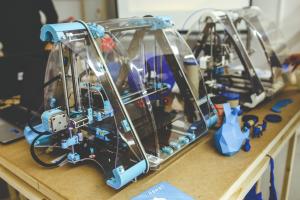
First things first, you'll need a 3D printer. There are a few types out there, like FDM (Fused Deposition Modeling) and SLA (Stereolithography). FDM printers are popular for beginners because they're generally more affordable and easier to find. They use filaments that melt and layer on top of each other to create your design. If you want finer details, an SLA printer might be the way to go, as it uses a liquid resin that cures into solid layers.
Next up is software! You'll need a program to create or modify your 3D models. Programs like Tinkercad and Fusion 360 are great for beginners. They let you design from scratch or adjust existing models to fit your needs. Plus, many of them offer tutorials that can help you learn the ropes.
Don’t forget about materials! Your choice of filament could change what you can produce. PLA is user-friendly, great for beginners, while ABS is more durable but requires some extra care. If you're after something special, there are also filament blends that add unique textures or colors.
Finally, practice makes perfect! Start with some simple projects to get a feel for the printer and software. You’ll learn a lot as you go along, and soon enough, you’ll be cranking out products that you can sell. Remember, everyone starts somewhere, so take your time and enjoy the journey!
Budget-Friendly 3D Printing Materials to Use
If you're diving into the world of 3D printing for your small business, one of the first things you'll want to consider is the materials you'll be using. The good news? There are plenty of budget-friendly options that won't break the bank! Here are some materials you should definitely check out.
1. PLA (Polylactic Acid)PLA is a favorite among beginners thanks to its affordability and easy handling. It's made from renewable resources like corn starch, which makes it eco-friendly. You'll find it available in a rainbow of colors and it prints smoothly, perfect for creating prototypes or short-run products.
2. PETG (Polyethylene Terephthalate Glycol-Modified)If you're looking for something a bit more durable but still wallet-friendly, PETG is a great choice. It's tough, resistant to impact, and easy to print with. Plus, it’s recyclable! This makes it ideal for functional parts or items that need to withstand a bit of wear and tear.
3. ABS (Acrylonitrile Butadiene Styrene)While ABS can be a bit tricky, it’s worth considering for its sturdiness and ability to handle heat. It’s commonly used in making toys and household items. Just keep in mind that it requires a heated bed for best results, so a little practice might be needed to perfect your technique.
4. TPU (Thermoplastic Polyurethane)For flexible items like phone cases or wearable tech, TPU is your go-to material. It may be a bit pricier than PLA but still falls under the budget-friendly umbrella. The flexibility and durability make it a hit for those unique projects where you want a bit of give.
Tips for Marketing Your 3D Printed Products
Marketing your 3D printed products can feel a bit daunting, but it doesn't have to be! Here are some friendly tips to help you get your small business off the ground and make a splash.
1. Know Your Audience: Before diving into marketing, take some time to really understand who would want your products. Are they hobbyists, gamers, or maybe home decor enthusiasts? Knowing who you’re talking to will help tailor your messages and make them more relatable.
2. Showcase Your Work: High-quality images are your best friend! Post clear, bright pictures of your items from different angles. Consider making short videos to show your products in action. Social media platforms like Instagram and TikTok are great for this and can really highlight the uniqueness of your 3D prints.
3. Leverage Online Marketplaces: Websites like Etsy or eBay can be perfect for reaching a wider audience. Setting up shop on these platforms makes it easy for potential customers to find your cool 3D printed stuff. Just remember to optimize your listings with relevant keywords to improve visibility.
4. Engage with Your Community: Join online forums, social media groups, and local maker fairs where people discuss 3D printing. Share your knowledge, answer questions, and don’t be shy about showing off your latest creations. Building relationships can lead to word-of-mouth marketing, which is incredibly valuable!