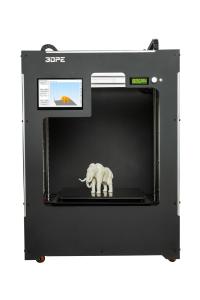
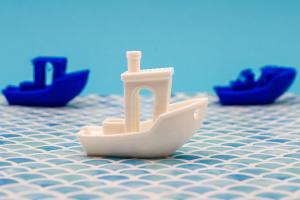
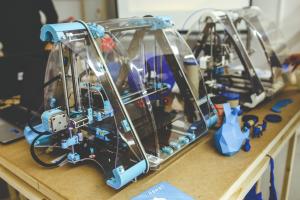
When you're on the hunt for a 3D printer, there are a few key features that can really make a difference. First up, print quality is essential. You want a printer that delivers crisp details and clean layers. Look for models that have a good resolution (measured in microns) to get those fine details in your prints!
Another important factor is build size. Depending on what you plan to make, you’ll need a printer with the right amount of space. If you're dreaming of creating larger items, go for one with a bigger build volume. For smaller projects, a compact printer can save you space without skimping on performance.
Don't forget about ease of use! A user-friendly interface and good customer support can really make your printing experience smoother. Many printers now come with features like auto-bed leveling and touch screens, which can simplify things even more. Plus, online communities and resources can be invaluable for troubleshooting and tips.
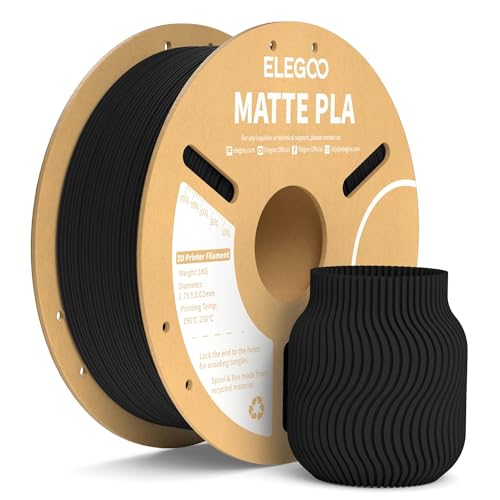
Finally, consider the materials you want to work with. Some printers are versatile and can handle different types of filament, like PLA, ABS, and even flexible materials. Make sure to choose one that fits your creative projects, so you can really explore the possibilities!
Types of 3D Printers Explained
When diving into the world of 3D printing, you'll soon find there are different types of 3D printers, each with its own set of perks. Let’s break them down so you can discover which one fits your needs best!
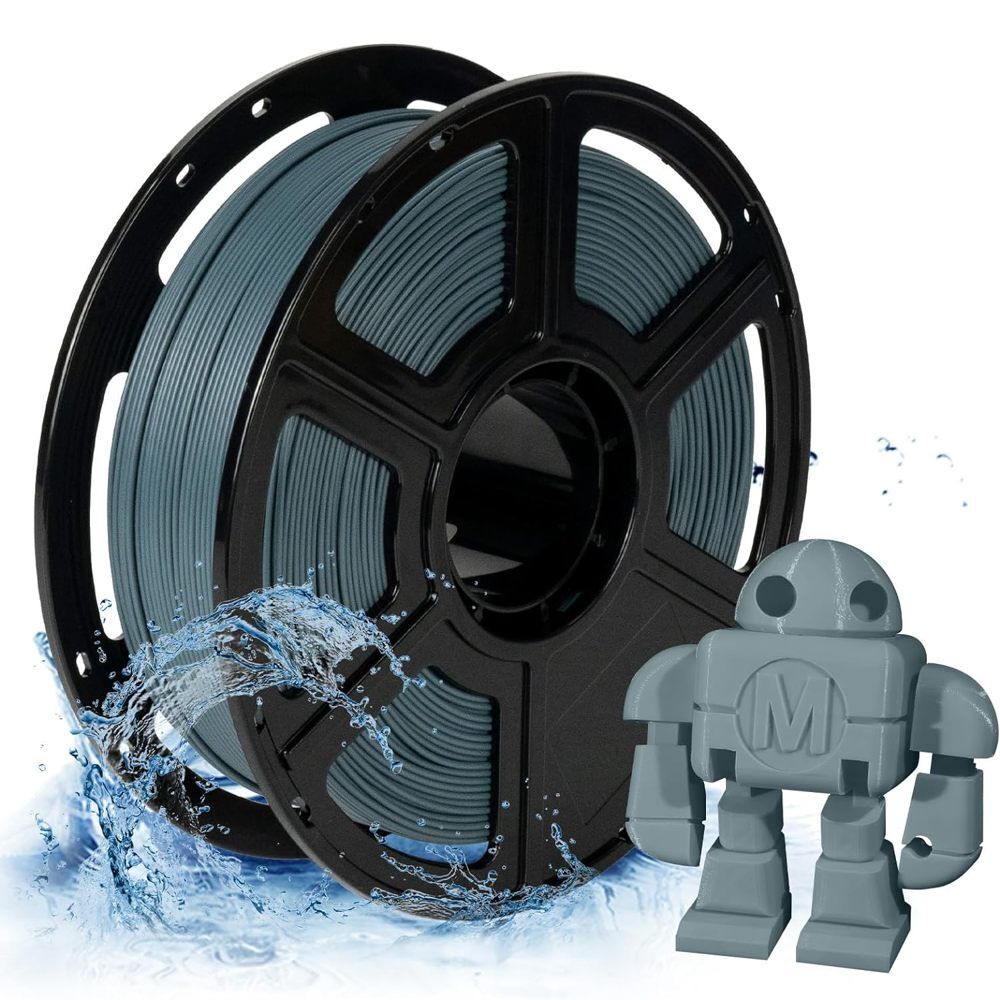
Fused Deposition Modeling (FDM): This is the most common type of 3D printer. They're pretty user-friendly and perfect for beginners. FDM printers work by melting plastic filament and laying it down in layers to create your object. They’re great for functional prototypes and basic models. Plus, the materials are usually affordable!
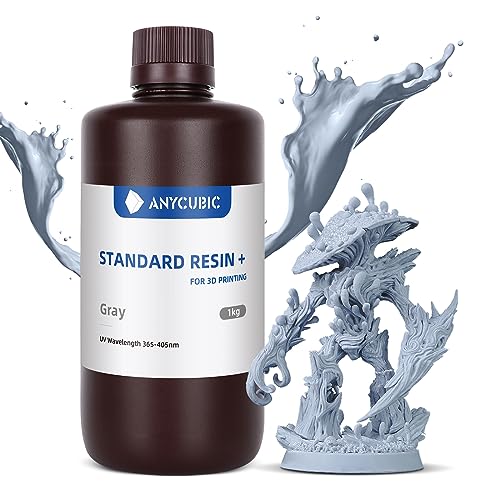
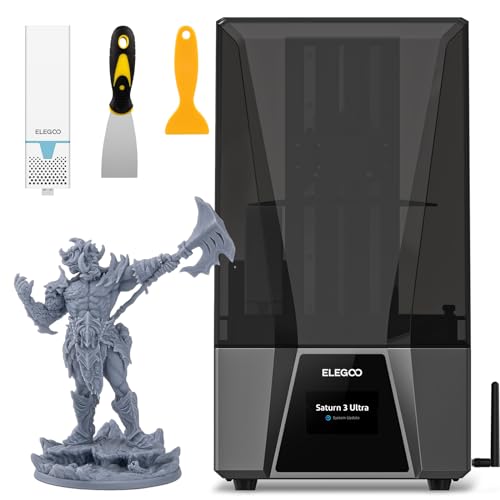
Stereolithography (SLA): If you’re after high detail and smooth surfaces, SLA printers could be your best bet. They use a laser to cure liquid resin layer by layer. This means you get stunning finishes, making them popular for jewelry and miniatures. Just keep in mind, they can be a bit messier and the resin can sometimes be more expensive than filament.
Selective Laser Sintering (SLS): If you need strength and durability, SLS might be the right choice. SLS printers use a laser to fuse small particles together, usually nylon, to form a solid structure. They’re perfect for producing functional parts and are often used in industrial settings. However, these printers tend to be pricier and a bit more complex to operate.
As you explore your options, think about what you’ll be printing most often and how much detail you need. Each printer type has its strengths, and understanding them can help you make the best choice for your projects!
Key Features to Consider
When you're diving into the world of 3D printers, knowing what features to look for is super important. It can make all the difference in finding the right fit for your needs. Here are some key features to keep in mind:
Taking these features into account will help ensure you pick a 3D printer that not only meets your current needs but also grows with you as you learn and explore more in this exciting hobby. Happy printing!
Tips for Choosing Your Printer
Choosing the right 3D printer can feel a bit overwhelming, especially with so many options out there. But don’t worry! Here are some friendly tips to help you find the perfect match for your needs.
1. Know Your Purpose: Before diving into the world of 3D printers, think about what you want to create. Are you looking to make prototypes, jewelry, or maybe even toys? Different printers are designed for different materials and detail levels, so your intended projects will guide your choice.
2. Consider Build Volume: The size of your creations matters! Look at the printer’s build volume to see how big of an object you can print. If you're planning to make larger items, go for a printer that offers a bigger build space. It’s better to have the extra room than to run into limitations later on.
3. Look at the Materials: Not all printers can handle the same type of filament or resin. If you have a specific material in mind, like PLA or ABS, double-check that the printer supports it. Some printers even allow you to print with flexible materials or specialized filaments, so don't miss out on that feature if it’s important to you.
4. Ease of Use: If you're new to 3D printing, finding a user-friendly option is key. Look for printers with a simple setup process and features like touchscreen controls or guided setups. Reading reviews can also give you insight into how intuitive a specific model is. You want to spend more time creating and less time troubleshooting!